Enough structure to imagine it. Enough flexibility to make it yours.
These are not fixed, dated products. They show the questions and learning components PEDU can combine after understanding your institution, participants and intended change.
Illustrative delivery models
Choose the rhythm before we design the detail.
These examples make the practical shape visible. The intellectual focus, experts, institutions and learning methods are always selected around your context.
01
Finland immersion week
A rich on-site programme, typically Sunday to Sunday
Sunday Arrival, airport meeting, transfer and accommodation orientation
Monday–Friday Expert sessions, institutional visits, observation, dialogue and reflection
Saturday Nature, wellbeing and cultural context
Sunday Departure
02
Prepare online, immerse in Finland
One to seven days of online preparation, followed by one to five days in Finland
Shared starting questions and institutional context
Targeted expert input before travel
Focused visits and dialogue in Jyväskylä
A practical follow-through conversation
03
Nordic and Baltic comparison
Finland one to five days, with Estonia and/or Sweden one to three days each
Compare systems without assuming one answer fits all
Combine Finnish expertise with a second regional perspective
Useful for leadership, policy and internationalisation teams
Travel route confirmed only after scope and feasibility review
04
English and teacher development abroad
One- to two-week international training frameworks
English language and teacher-development programmes
Possible locations include Dublin, Malta and the United Kingdom
Designed around participant level, professional purpose and safeguarding
Coordinated through PEDU with appropriate local providers
Working languages: PEDU can organise programmes in English, Russian, Turkish, Uzbek, Persian, Arabic, Chinese, Vietnamese and Indonesian through context-aware, language-proficient interpreters and facilitators.
01
Educators · School leaders · University staff · Mixed delegations
Finnish education in context
A visit across early childhood, primary, secondary and higher education—connecting visible practice with the society, history and professional culture behind it.
Possible themes and encounters
Finnish society, educational reforms and the social conditions behind today’s system
The education pathway from early childhood education and care to higher education
Teacher education, professional trust, autonomy and the cultural position of teachers
Curriculum, assessment, self-evaluation and student agency
ECEC group life, play-based learning, child-centred goals and holistic development
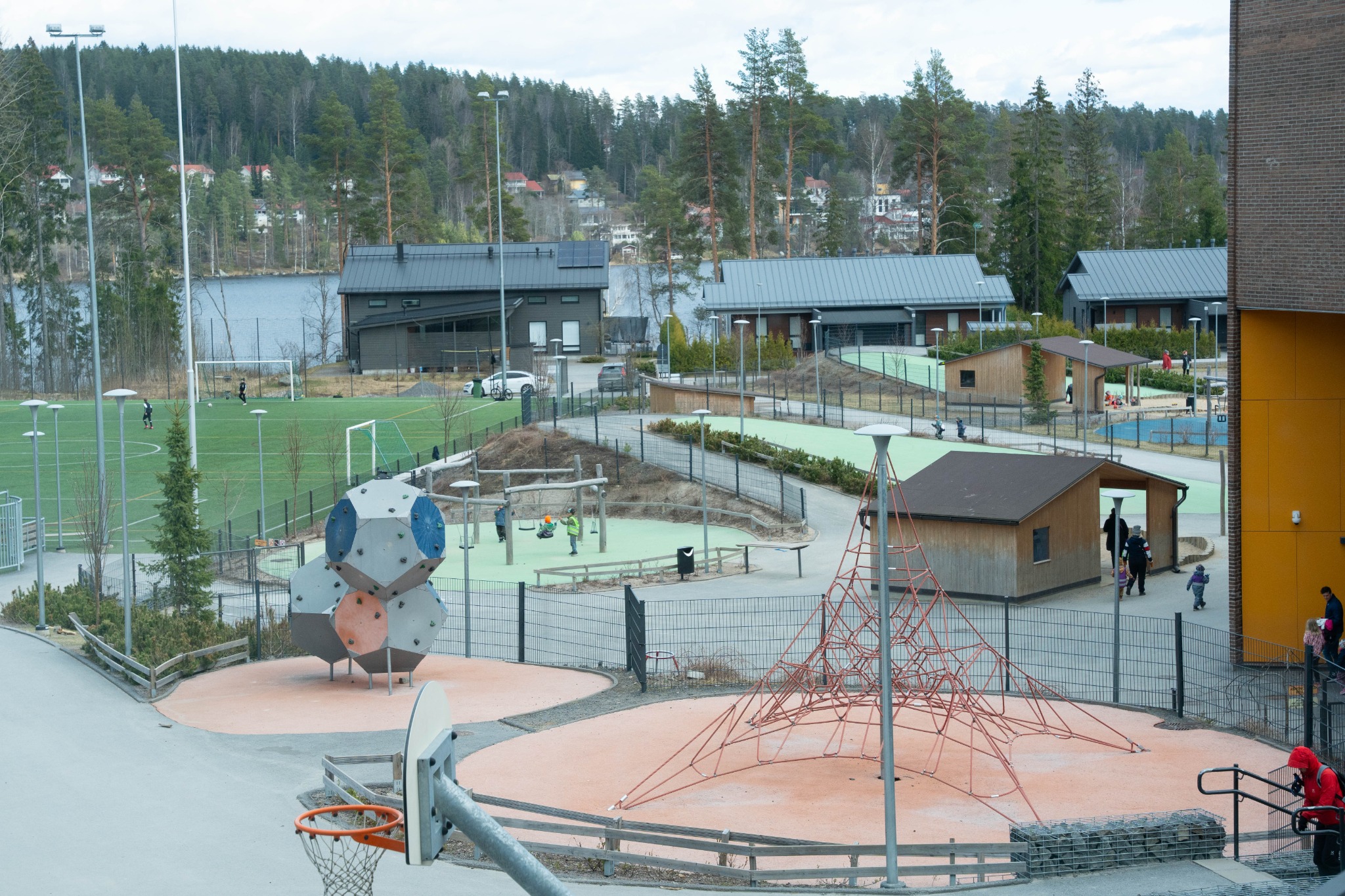
School and classroom observation followed by structured dialogue with educators
Libraries, museums, the Jyväskylä campus and changing learning environments
Nature, wellbeing, reflection and a context-specific capstone idea
The emphasis can be broad for a mixed delegation or concentrated on one education level, institution or development challenge.
Teachers · Academic staff · Education leaders · Digital-development teams
AI in education
A possible four- or five-day professional-learning journey examining AI as a pedagogical, ethical and institutional question—not simply a collection of tools.
Possible themes and encounters
What generative AI changes—and does not change—in learning and teaching
Designing meaningful tasks when students can work with AI
AI literacy, critical judgement, authorship and academic integrity
Feedback, assessment and student agency in AI-rich environments
Practical experimentation with selected tools through a pedagogical lens
Data, privacy, accessibility, bias and responsible institutional use
Leadership, staff capability and a realistic institutional development pathway
A design studio in which participants adapt one idea for their own context
The programme can focus on schools, higher education, teacher education or institutional leadership, with the balance adjusted accordingly.
University teachers · Programme directors · Language specialists · International offices
EMI & multilingual education
A research-informed programme for universities developing English-medium instruction while recognising the multilingual realities of teachers, students and disciplines.
Possible themes and encounters
European language-policy discussions and the role of multilingualism in education
Constructive alignment between learning outcomes, interaction and assessment
The relationship between disciplinary knowledge and disciplinary language
Classroom discourse, participation and language-aware teaching
Semiotic waves: moving between abstract academic meaning and concrete examples
Scaffolding complex content without reducing academic expectations
Feedback and assessment in linguistically diverse classrooms
Institutional strategy, teacher support and sustainable EMI development
PEDU indicates the areas of inquiry publicly, while the exact learning sequence, contributors and working methods are designed for each institution.
Teachers · Special educators · School leaders · Teacher educators
Inclusive education in practice
Inclusion is not limited to placing children with diagnosed disabilities in the same room. It asks whether everyday teaching is designed for learner difference from the beginning.
Possible themes and encounters
The Finnish approach to learning support and special education in everyday school life
Differentiation as a responsibility in every classroom
Small changes in instruction, grouping, materials and the learning environment
Teacher and leadership mindsets that make support possible
Positive pedagogy, strengths and a learner’s sense of belonging
Neurodiversity and the variety of attention, communication and sensory needs
Collaboration between teachers, specialists, families and students
A practical redesign task based on participants’ own classrooms or institutions
The goal is to move from labels and abstract ideals toward practical choices educators and leaders can examine in their own settings.
PEDU confirms the participants, goals, scope, expert contributions, institutional visits, working hours, timing and budget before a programme is agreed. The public examples communicate our areas of expertise without promising the same sequence to every customer.
 Prime Education FinlandStart your enquiry
  01
01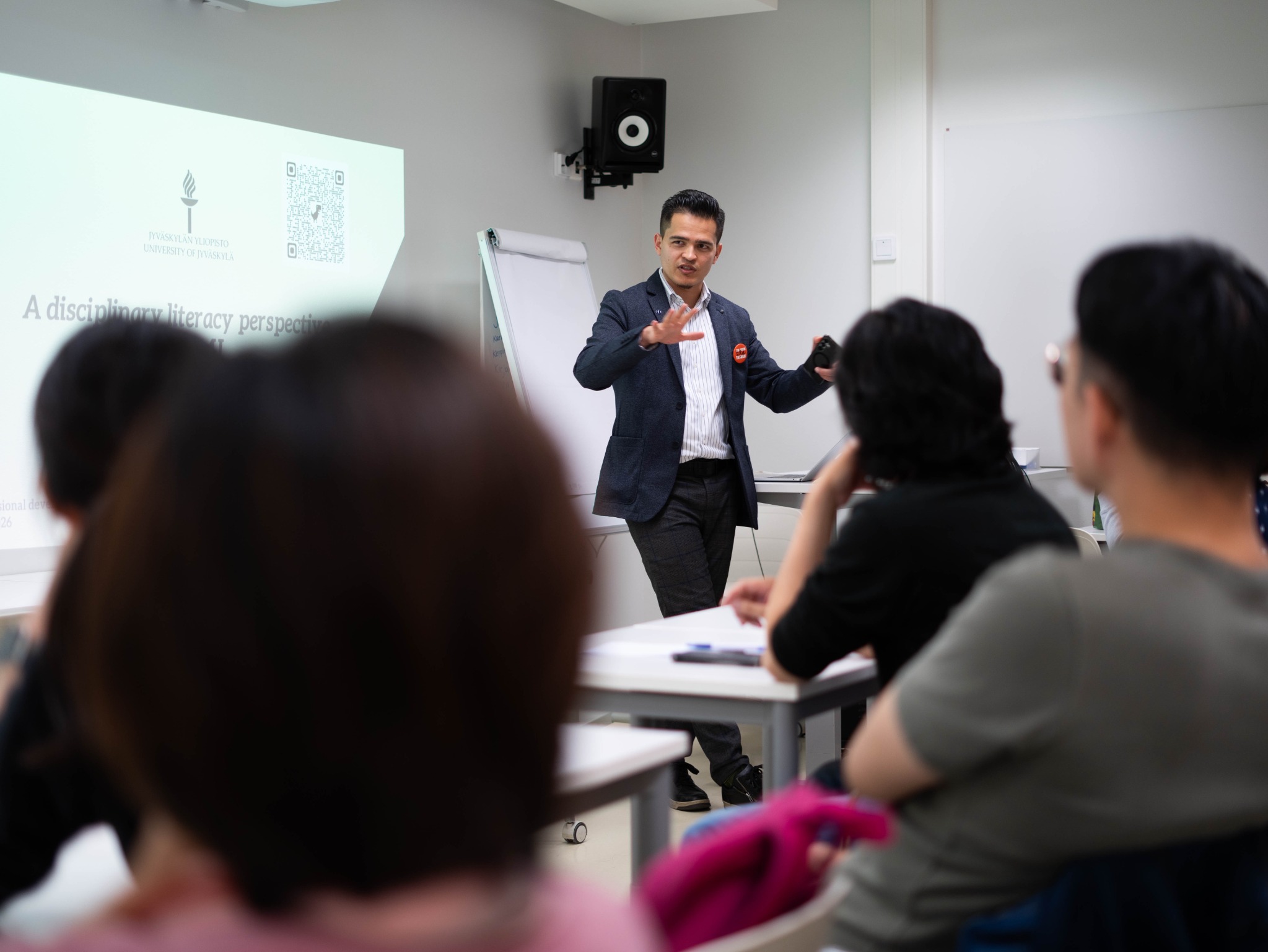 02
02 03
03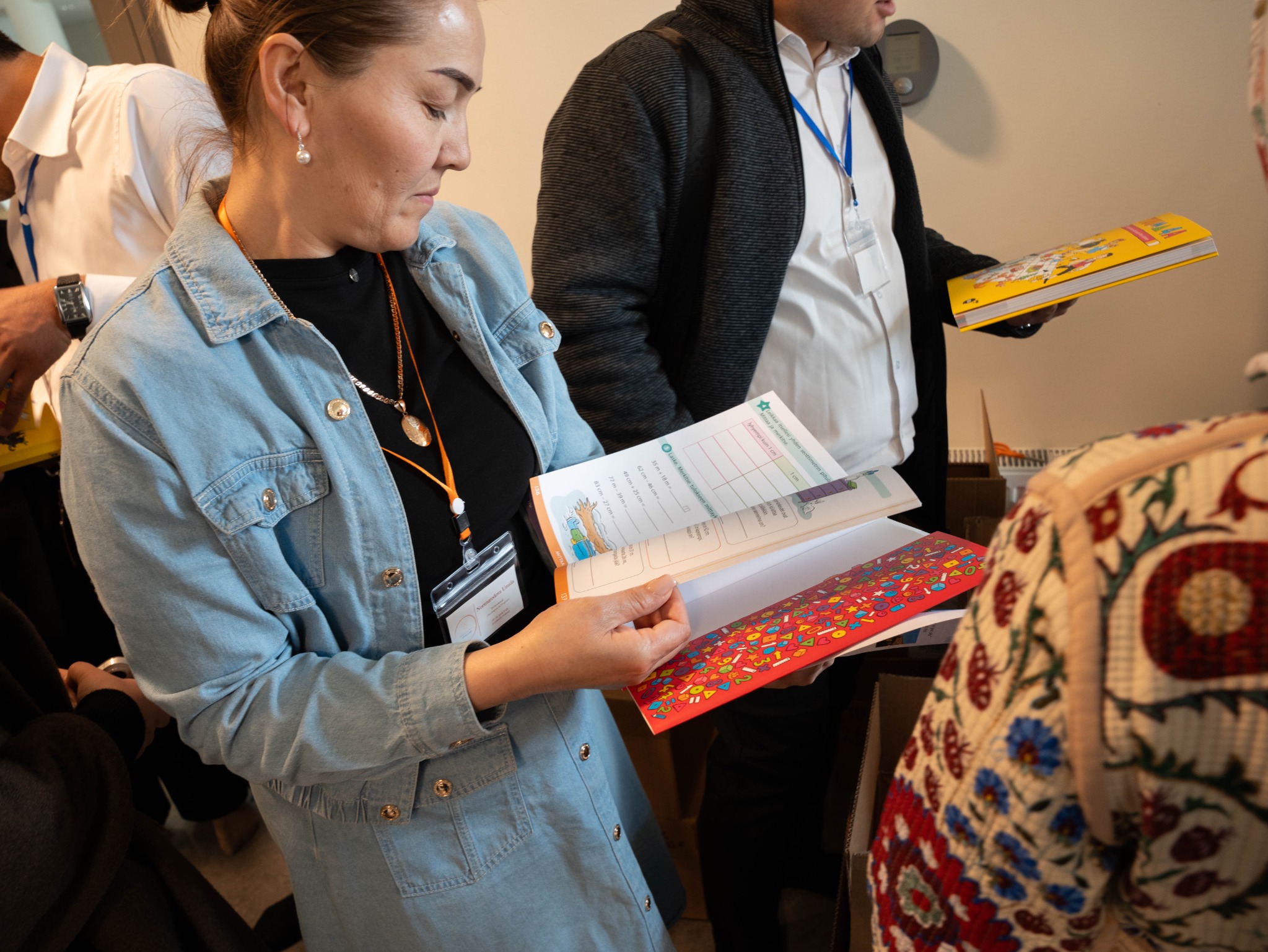 04
04